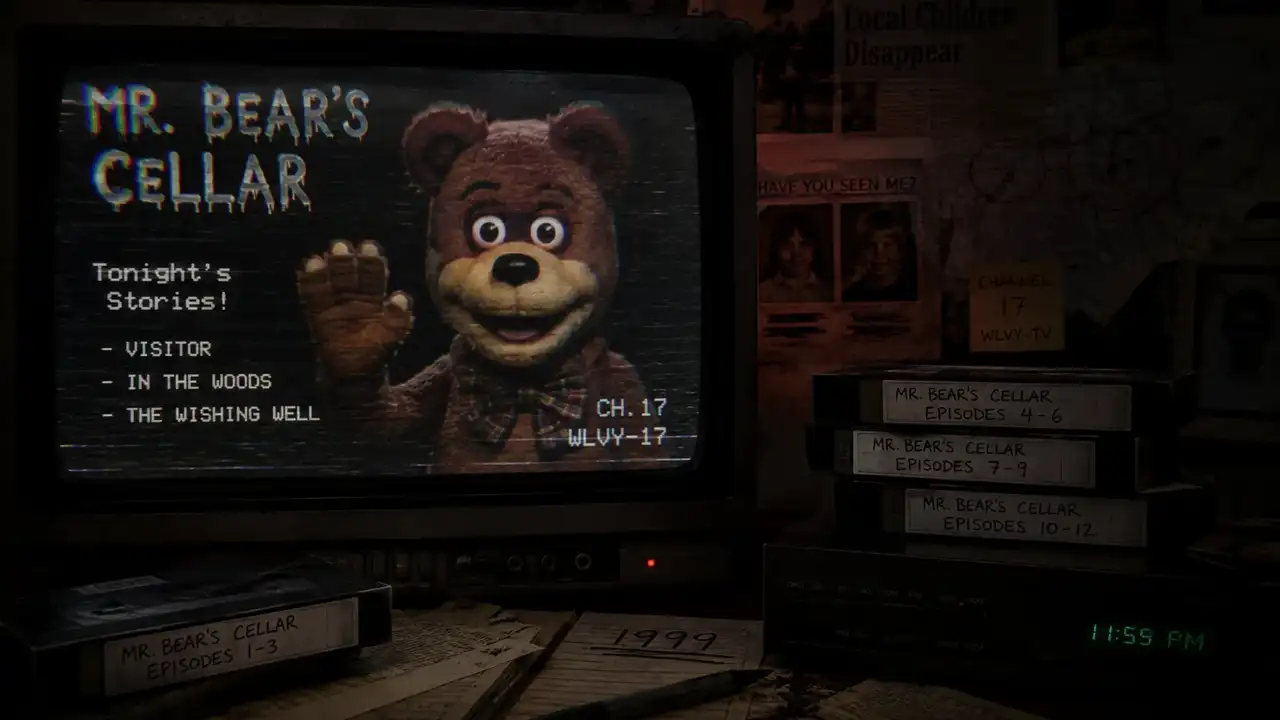
1999
By ABYSSGENERATED
Published: 2026-06-10
Updated: 2026-06-23
Discover 1999, a famous creepypasta telling the disturbing memories of a man who discovered a mysterious local television channel broadcasting bizarre children's programs.
A Story Told Like a Real Investigation
1999 is widely regarded as one of the most realistic creepypastas ever written. Presented as a series of blog posts, the story follows a man attempting to understand disturbing memories from his childhood. This documentary-style approach creates a powerful sense of authenticity, making readers feel as though they are uncovering a genuine mystery rather than reading a work of fiction.
A Forgotten Television Channel
At the center of the story is the discovery of a strange local television channel that seemed to broadcast only during certain hours of the night. At first glance, the programs appear to be ordinary children's shows. However, their unusual content, unsettling atmosphere, and bizarre characters quickly suggest that something is deeply wrong.
The Mystery of Mr. Bear's Cellar
Among the programs described in the story, Mr. Bear's Cellar is the most memorable. The show features a mysterious bear puppet living in a dark basement and interacting with children in unsettling ways. Although it appears innocent on the surface, the program gradually reveals a disturbing undertone that becomes increasingly difficult to ignore.
When Childhood Memories Become Something Else
As the narrator investigates the broadcasts he remembers from his youth, new and troubling details begin to emerge. What initially seem like vague childhood memories slowly transform into clues connected to missing children, suspicious activities, and unanswered questions. This gradual uncovering of the truth is one of the story's greatest strengths.
Horror Rooted in Reality
Unlike many creepypastas that rely on supernatural creatures or paranormal events, 1999 derives its horror from realistic possibilities. The idea that something sinister could be hidden behind seemingly harmless children's programming makes the story particularly unsettling. Its realism allows the fear to feel much closer to everyday life.
The Power of Nostalgia
Much of the story's effectiveness comes from its use of nostalgia. References to local television stations, low-budget children's programs, and childhood memories create a sense of familiarity that draws readers into the narrative. This nostalgic foundation makes the darker revelations even more disturbing as the story progresses.
A Landmark of Digital Horror
Since its publication, 1999 has been consistently ranked among the greatest creepypastas ever written. Its realistic storytelling, oppressive atmosphere, and carefully constructed mystery have influenced countless horror writers and internet storytellers. Even today, it remains a classic example of psychological horror and modern digital folklore.
Credits and origin
A Landmark of Digital Folklore
1999 is frequently regarded as one of the finest creepypastas ever written. Its realistic approach, carefully paced narrative, and near absence of obvious supernatural elements allow it to create a uniquely believable form of horror. This ability to generate fear without relying on traditional monsters played a major role in establishing its reputation.
Storytelling Inspired by Online Investigations
The narrative unfolds as a personal investigation conducted through memories, witness accounts, and research. This structure resembles internet mystery forums and communities dedicated to unsolved cases, further enhancing the sense of authenticity that defines the story.
A Lasting Influence on Lost Media Horror
1999 is often credited with helping popularize horror stories centered around lost media and unsettling television broadcasts. Its success inspired numerous tales involving forgotten programs, mysterious channels, and disturbing content hidden beneath seemingly innocent appearances.
The Power of Nostalgia
One of the most praised aspects of the creepypasta is its use of childhood memories. By transforming familiar elements such as local television stations and children's programming into sources of fear, the story creates a particularly effective and memorable form of psychological horror.
Main Inspirations
- 1990s local television
- Disturbing children's shows
- Lost media mysteries
- Unsolved investigations
- Psychological horror
- Distorted childhood memories
Reference Information
- Origin: Internet
- First Publication: 2011
- Category: Creepypasta / Psychological Horror
- Type: Fictional Media Mystery
- Primary Theme: A disturbing television channel
- Distinctive Feature: Presented as an investigative blog
- Cultural Impact: Major reference among realistic creepypastas
- Popularization: Blogs, forums, YouTube, and horror communities
Related Creepypastas
FAQ
Is 1999 based on a true story?
No. 1999 is a fictional creepypasta. Its realistic style is intentionally designed to resemble a genuine investigation, but the events described are entirely fictional.
Who is Camden Lamont?
Camden Lamont is the pseudonym used by the story's author. The narrative is presented as a personal blog to enhance its sense of realism.
What is Mr. Bear's Cellar?
Mr. Bear's Cellar is the most famous show featured in the story. It revolves around a strange bear puppet living in a basement and serves as one of the creepypasta's most unsettling elements.
Why is 1999 considered psychological horror?
The story focuses on unease, suspense, and gradual investigation rather than monsters or obvious supernatural events, creating a deeply psychological form of horror.
Is 1999 connected to the Lost Media phenomenon?
Yes. Although fictional, the story became highly influential among horror tales involving forgotten broadcasts, mysterious television channels, and supposedly lost media.
Why does 1999 remain popular today?
Its realistic storytelling, oppressive atmosphere, and nostalgic portrayal of the late 1990s have helped it remain one of the most respected creepypastas ever written.