Guide to Legendary Monsters of the World
By ABYSSGENERATED
Published: 2026-06-18
Updated: 2026-06-18
Discover the world's most famous legendary monsters: vampires, werewolves, Wendigo, Baba Yaga, Chupacabra and many more.
What Is a Legendary Monster?
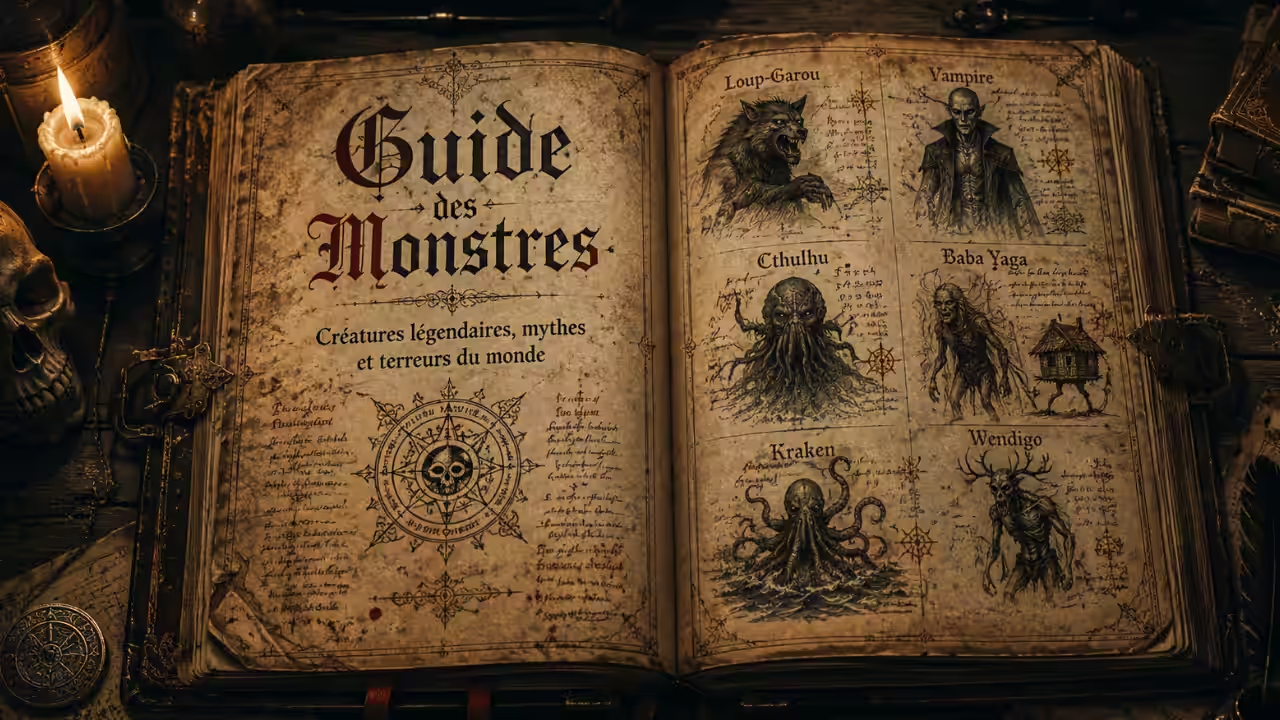
For thousands of years, monsters have played a central role in myths, legends, and traditions around the world. Found in every culture, they embody the fears, beliefs, and mysteries that have shaped human history. Long before the rise of modern science, these creatures were used to explain the unknown, warn against dangers, and pass important lessons from one generation to the next. From the vampires of Eastern Europe to the Wendigos of North America, from the dragons of Asia to the sea creatures of Nordic legends, every civilization has imagined its own monsters. Some symbolize death, hunger, and chaos, while others represent the forces of nature or the darkest aspects of the human soul. Even today, these fascinating beings continue to inspire movies, literature, video games, and popular culture. This guide invites you to explore the world's most famous legendary monsters, discover their origins, powers, the stories surrounding them, and the influence they still have on our collective imagination.
The Most Famous Monsters in the World
The Werewolf
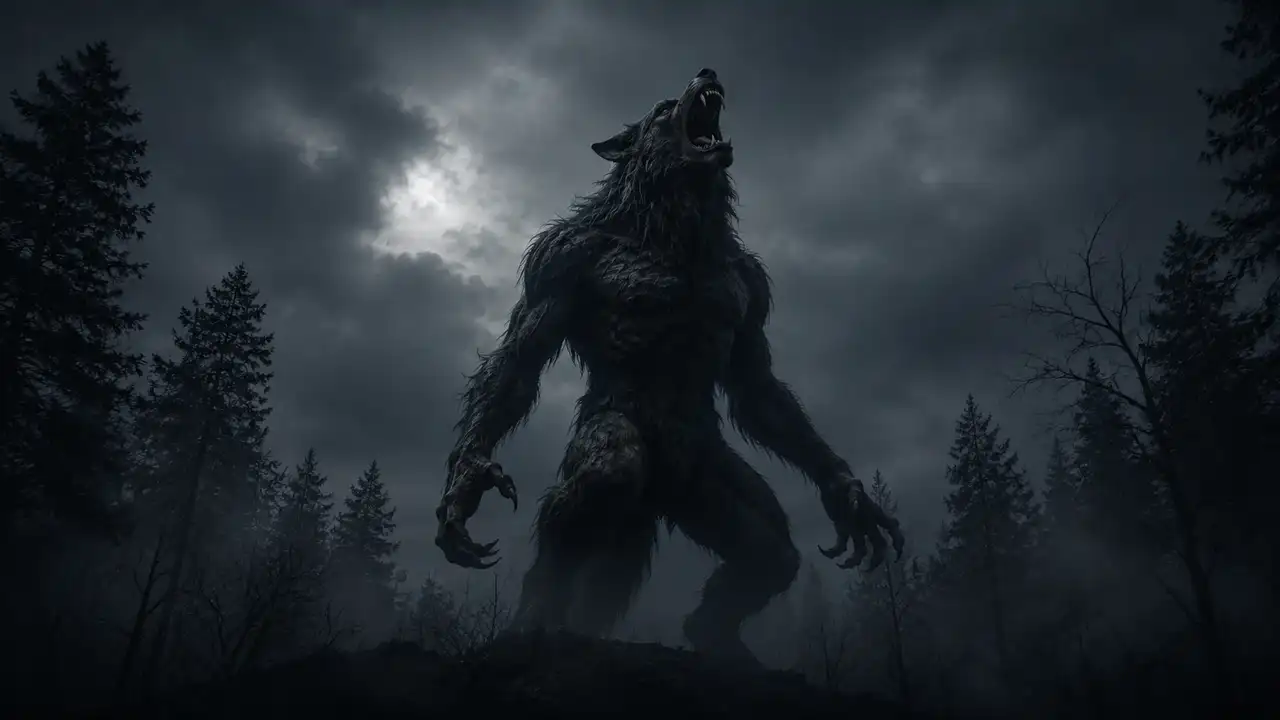
The werewolf is one of the most iconic creatures in European folklore. Capable of transforming between human and wolf form, it symbolizes the struggle between civilization and primal instinct.
➡️ Read the complete Werewolf guide
The Vampire
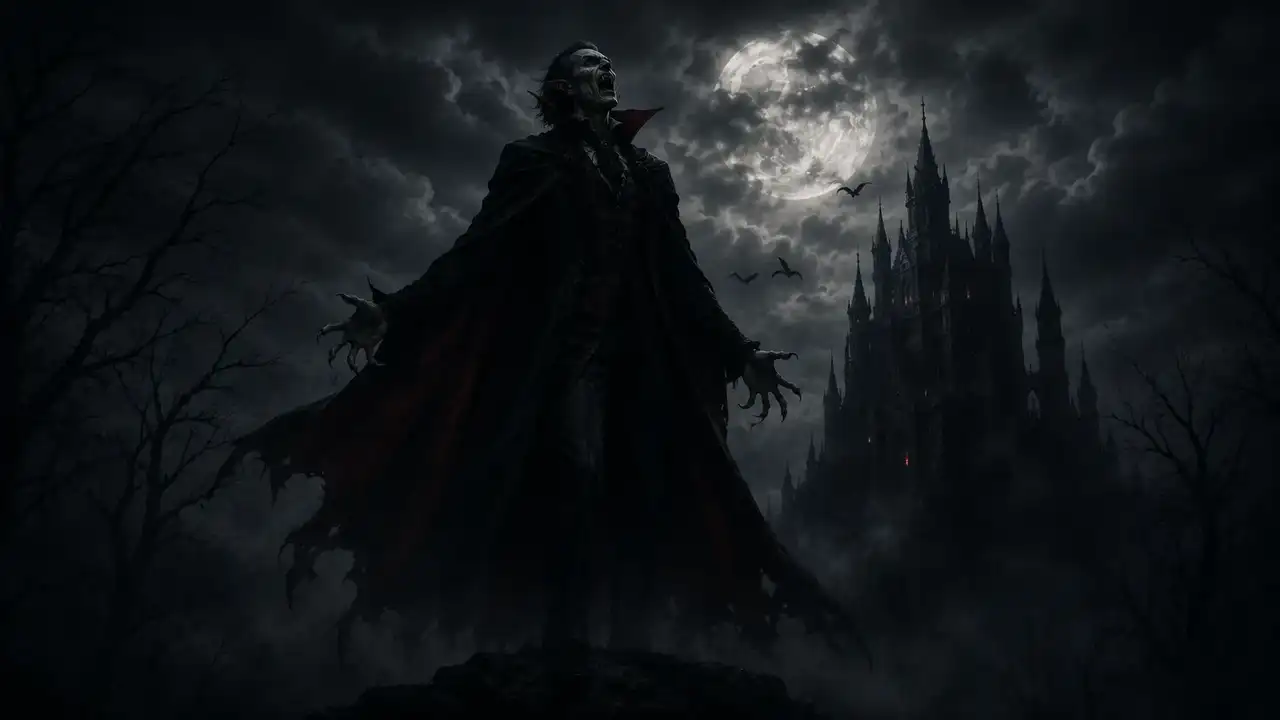
The vampire is a legendary undead creature that feeds on the blood of the living. Popularized by Dracula, it remains one of the most famous monsters in popular culture.
➡️ Read the complete Vampire guide
The Wendigo
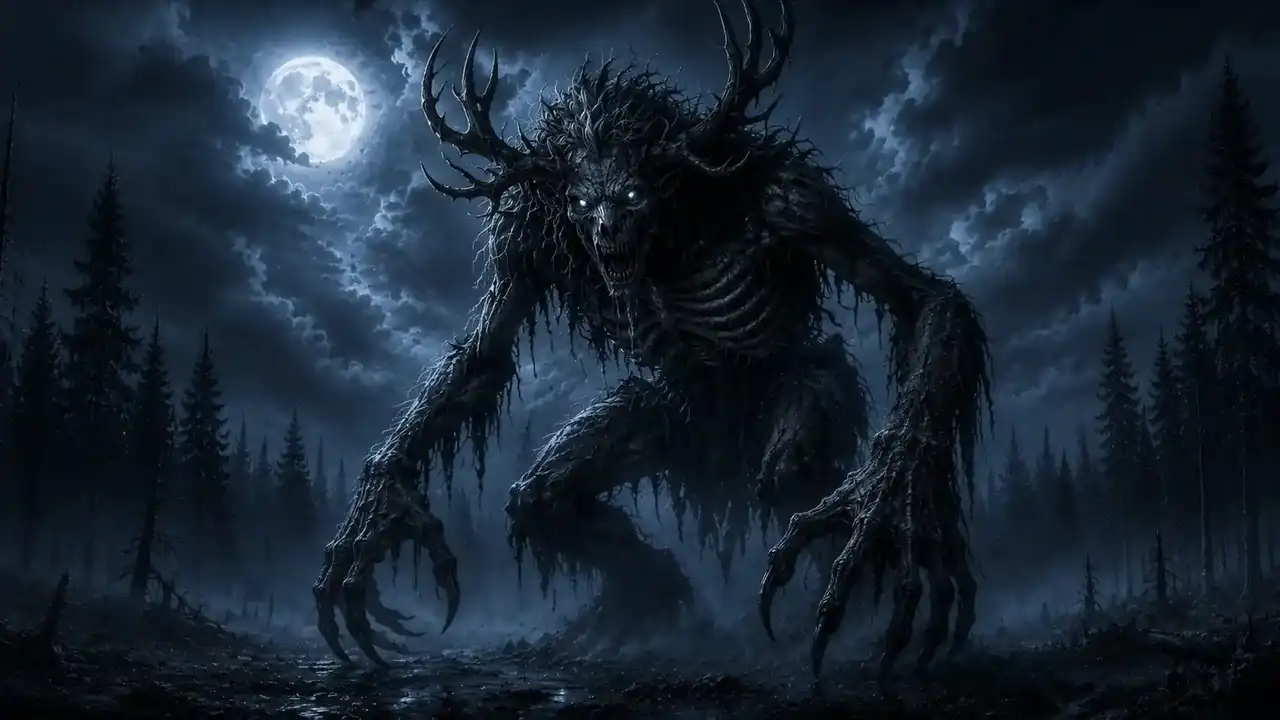
Originating from Algonquian traditions, the Wendigo represents insatiable hunger, greed, and the loss of humanity.
➡️ Read the complete Wendigo guide
Cthulhu
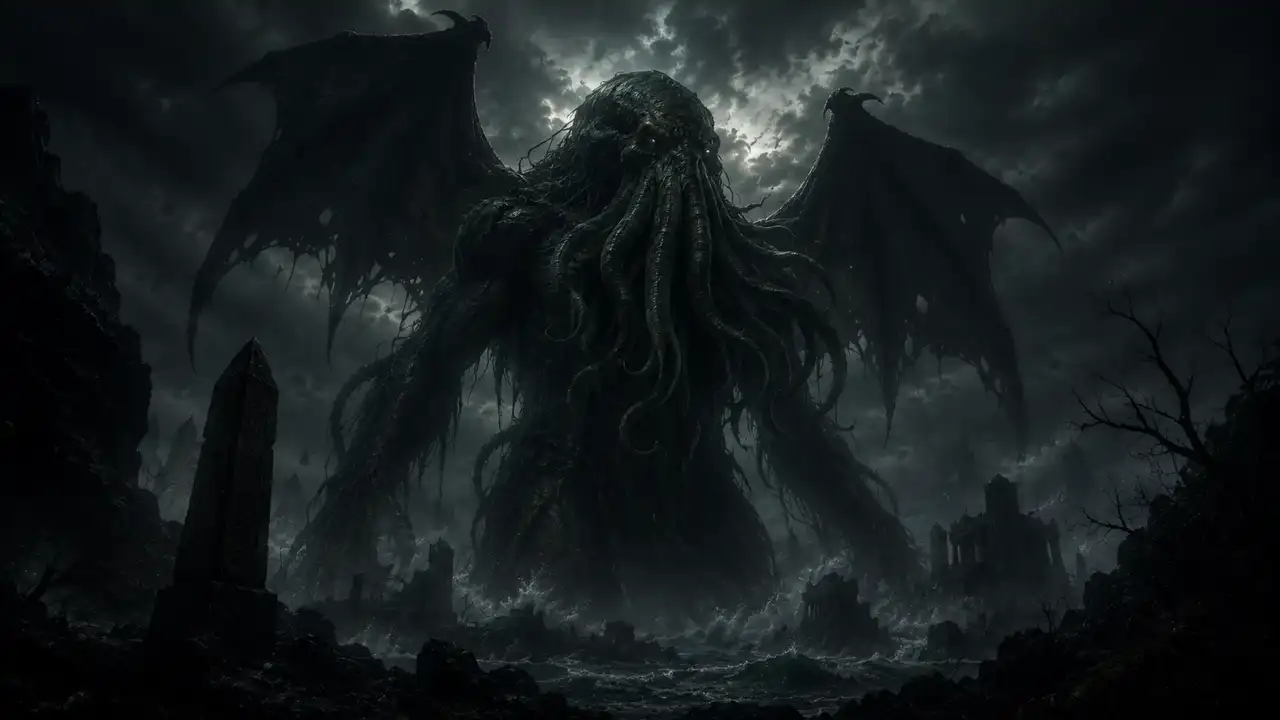
Created by H. P. Lovecraft, Cthulhu embodies cosmic horror and humanity's insignificance in the face of incomprehensible forces.
➡️ Read the complete Cthulhu guide
The Kraken
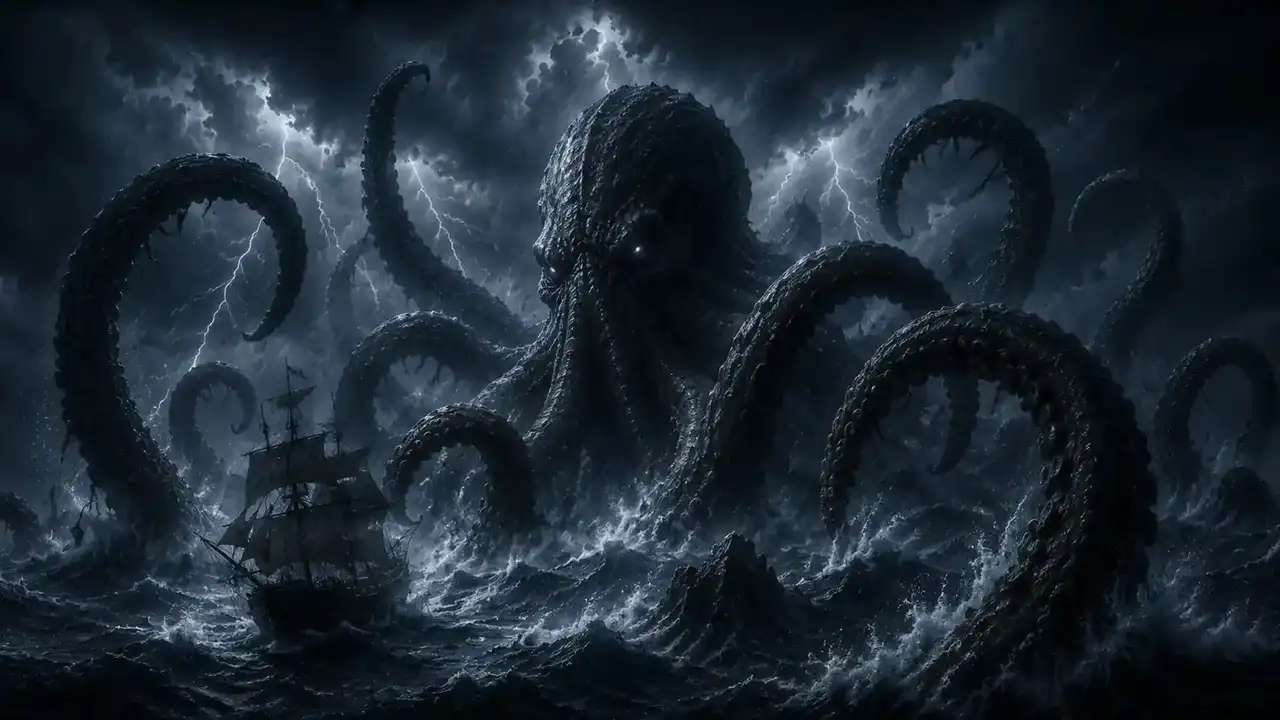
A legendary sea monster from Scandinavian folklore, the Kraken symbolizes the unknown dangers lurking in the depths of the ocean.
➡️ Read the complete Kraken guide
The Mothman
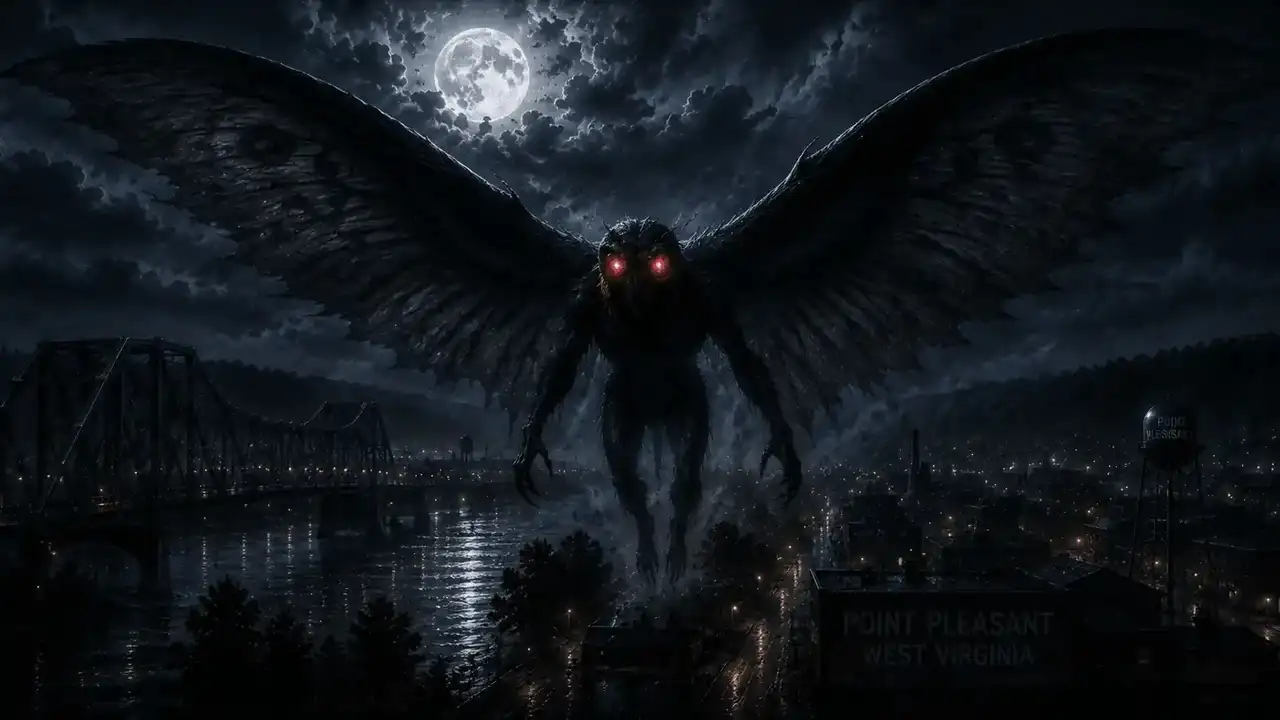
A famous figure of modern American folklore, the Mothman is associated with mysterious sightings and unexplained events.
➡️ Read the complete Mothman guide
The Skinwalker
A creature from Navajo traditions, the Skinwalker is said to possess the ability to take the appearance of animals or humans.
➡️ Read the complete Skinwalker guide
Baba Yaga
An iconic figure of Slavic folklore, Baba Yaga is a mysterious witch who lives in a hut standing on chicken legs. Both guide and threat, she occupies a central place in Eastern European legends.
➡️ Read the complete Baba Yaga guide
The Chupacabra
A legendary creature from Latin America, the Chupacabra became famous through reports of mysterious attacks on livestock. Its appearance and origins remain surrounded by speculation.
➡️ Read the complete Chupacabra guide
The Jersey Devil
The Jersey Devil is a legendary creature said to haunt the Pine Barrens of New Jersey. Described as a winged, demonic-looking being, it is one of America's most famous legends.
➡️ Read the complete Jersey Devil guide
The Banshee
Originating from Irish folklore, the Banshee is a spirit whose mournful cries foretell the death of a family member.
➡️ Read the complete Banshee guide
Why Do Monsters Exist in Every Culture?
Monsters often serve as warnings, explanations for mysterious events, or representations of a society's collective fears.
They can symbolize:
- Death
- Hunger
- War
- Natural disasters
- The dangers of the unknown
- Human instincts
Monsters in Modern Culture
Today, monsters continue to inspire movies, video games, novels, television series, and countless works of fiction. Their enduring popularity demonstrates that these creatures still hold a powerful place in the human imagination. This guide brings together some of the world's most famous monsters and explores their origins, powers, legends, and lasting cultural influence.
Credits and origin
Sources and Inspirations
This guide brings together information drawn from world folklore, traditional legends, ancient mythologies, fantasy literature, and stories passed down through generations across different cultures.
Main inspirations:
- European folklore
- Norse mythology
- Native American traditions
- Asian mythology
- Fantasy literature
- H. P. Lovecraft
- Popular legends from around the world
Purpose of the Guide
The purpose of this guide is to present some of the world's most famous legendary monsters, exploring their cultural origins, characteristics, symbolism, and influence on modern culture.
By examining creatures from different civilizations and eras, this guide highlights how monsters have shaped human imagination and continue to inspire literature, cinema, video games, and popular culture today.
FAQ
What is the most famous legendary monster?
Vampires and werewolves are among the most famous monsters in the world thanks to their presence in literature, movies, television series, and video games.
Do legendary monsters really exist?
There is no scientific evidence confirming the existence of legendary monsters. They mainly belong to folklore, mythology, and cultural traditions passed down through generations.
What is the difference between a monster and a cryptid?
A legendary monster usually originates from myths, legends, or folklore. A cryptid is a creature that some people still claim exists despite the lack of scientific proof.
Why does every culture have its own monsters?
Monsters help explain the unknown, teach moral lessons, warn against dangers, and represent the collective fears and beliefs of a society.
What are the most popular monsters today?
Vampires, werewolves, dragons, Wendigos, Krakens, and creatures inspired by the works of H. P. Lovecraft remain among the most popular monsters in modern culture.